


What Should I Eat for Healthy Hair and Scalp?
The Ultimate Guide to Thicker, Healthier Hair (From Root to Scalp)
- → 1. Why Is My Hair Falling Out?
- → 2. How Can I Make My Hair Grow Faster?
- → 3. How Often Should You Wash Your Hair?
- → 4. How Do You Repair Heat-Damaged Hair?
- → 5. What Ingredients Should You Avoid for Healthy Hair?
- → 6. What Should I Eat for Healthy Hair and Scalp?
- → 7. Is Your Shampoo Damaging Your Hair?
- → 8. Is Your Gut Affecting Your Hair Growth?
What Should I Eat for Healthy Hair and Scalp?
Quick Answer
What you eat can play an important role in supporting scalp and hair health. Nutrients such as protein, healthy fats, vitamins, and minerals help provide the building blocks needed for normal hair growth and scalp function. A balanced, nutrient-dense diet, along with healthy digestion and nutrient absorption, may help support a healthy scalp environment over time.
Quick Takeaways
- A nutrient-dense diet supports normal hair and scalp function
- Protein, iron, zinc, and healthy fats are commonly associated with hair health
- The gut plays a key role in absorbing nutrients needed for scalp support
- Poor digestion or nutrient absorption may impact hair and scalp health
- Whole foods often provide a strong foundation for hair-supporting nutrients
- Some individuals use targeted nutritional support to complement their routine
Why Nutrition Matters for Scalp Health
Hair growth begins beneath the surface at the follicle, which relies on a steady supply of nutrients delivered through the bloodstream.
Your diet helps support:
- Hair structure (keratin production)
- Scalp barrier function
- Oil production and balance
- Overall follicle health
According to the National Institutes of Health (NIH), nutrient deficiencies can impact normal hair growth and structure.
Key Nutrients That Support Scalp and Hair Health
Certain nutrients are commonly associated with maintaining healthy hair and scalp function.
1. Protein
Hair is made primarily of keratin, a type of protein.

Low protein intake may:
- Affect hair strength
- Impact normal growth patterns
Food sources:
- Eggs
- Fish
- Poultry
- Legumes
2. Iron

Iron plays a role in oxygen transport, which supports actively growing tissues like hair follicles.
Low iron levels have been associated with changes in hair growth.
According to the NIH Office of Dietary Supplements, iron is an essential nutrient for overall health and cellular function.
3. Omega-3 Fatty Acids

Healthy fats help support:
- Scalp hydration
- Skin barrier function
- Inflammatory balance
Food sources:
- Salmon
- Sardines
- Flaxseeds
- Walnuts
The Harvard T.H. Chan School of Public Health highlights the importance of healthy fats for overall cellular health.
4. Zinc
Zinc plays a role in:
- Cell turnover
- Tissue repair
- Immune function

Low zinc levels may impact scalp and skin health.
Food sources:
- Shellfish
- Seeds
- Nuts
- Whole grains
5. Vitamins and Antioxidants

Vitamins such as:
- Biotin (B7)
- Vitamin D
- Vitamin A
- Vitamin E
help support various aspects of hair and scalp health, including cellular function and oxidative balance.
How Gut Health Impacts Nutrient Absorption
Eating the right foods is only part of the equation. Your body also needs to properly absorb and utilize those nutrients.
The gut plays a central role in:
- Breaking down food
- Absorbing nutrients
- Supporting immune and inflammatory balance
Research on the gut-skin axis, published through the National Library of Medicine, suggests that gut health may influence skin health, including the scalp.
If digestion or absorption is not functioning optimally, it may affect how effectively nutrients are delivered to the hair and scalp.
Foods That Support Gut and Scalp Health
Supporting gut health may also help support scalp health.
Helpful foods include:
- Fiber-rich foods: vegetables, fruits, whole grains
- Prebiotic foods: garlic, onions, asparagus
- Fermented foods: yogurt, kefir, sauerkraut
- Polyphenol-rich foods: berries, green tea
These foods help support a balanced gut microbiome, which may play a role in overall skin and scalp health.
Supporting Hair Health From Within
In addition to a nutrient-dense diet, some individuals choose to incorporate targeted nutritional support.
Formulations that include ingredients such as:
- Keratin peptides
- Omega fatty acids
- Silica
- Collagen-supporting compounds
are often used to support hair structure and overall appearance.
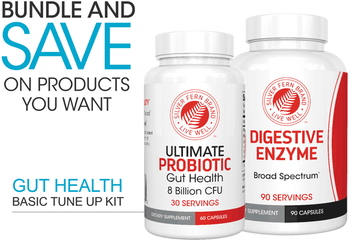
Some formulations are designed to provide focused support for hair structure, while others offer a broader combination of nutrients that support hair, skin, and nails. Options like Silver Fern™ Brand’s Hair Complex and Hair, Skin & Nails reflect these different approaches.*
These products are not intended to diagnose, treat, cure, or prevent any disease, but may be used alongside a balanced diet and healthy lifestyle.
Consistency Matters More Than Perfection
No single food will transform hair health overnight.
Instead, focus on:
- Consistent nutrient intake
- Balanced meals
- Supporting digestion and gut health
Over time, these habits may help support a healthier scalp environment.
Final Thoughts
Supporting your scalp from the inside out starts with a balanced, nutrient-dense diet and healthy digestion. Nutrients like protein, iron, healthy fats, and vitamins all play a role in maintaining normal hair and scalp function, while gut health helps determine how effectively those nutrients are absorbed and utilized. By focusing on consistent nutrition, supporting gut health, and maintaining overall wellness habits, you can help create an environment that supports healthy hair and scalp over time.
*These statements have not been evaluated by the Food and Drug Administration. Products such as these are not intended to diagnose, treat, cure, or prevent any disease, but may be used as part of a broader approach to supporting overall wellness.