


How Can I Make My Hair Grow Faster?
The Ultimate Guide to Thicker, Healthier Hair (From Root to Scalp)
- → 1. Why Is My Hair Falling Out?
- → 2. How Can I Make My Hair Grow Faster?
- → 3. How Often Should You Wash Your Hair?
- → 4. How Do You Repair Heat-Damaged Hair?
- → 5. What Ingredients Should You Avoid for Healthy Hair?
- → 6. What Should I Eat for Healthy Hair and Scalp?
- → 7. Is Your Shampoo Damaging Your Hair?
- → 8. Is Your Gut Affecting Your Hair Growth?
How Can I Make My Hair Grow Faster?
Quick Answer
Hair growth is influenced by several factors, including genetics, overall health, nutrition, and the hair growth cycle. While there is no way to instantly speed up hair growth beyond its natural rate, supporting the body with the right nutrients, habits, and care may help create an environment for healthier, stronger hair over time.
Quick Takeaways
- Hair typically grows about ½ inch per month, and growth rate is largely influenced by genetics
- Supporting hair growth involves nutrition, scalp health, and overall wellness
- The gut plays an important role in absorbing nutrients needed for hair growth
- Reducing damage from heat, stress, and harsh products may help retain length over time
- Consistency with healthy habits often matters more than quick fixes
- Some individuals choose to use targeted nutritional support to complement their routine
What Actually Controls Hair Growth?
Hair growth is not just about what you apply externally. It begins internally.
Hair grows through a natural cycle:
- Anagen (growth phase): determines how long hair can grow
- Catagen (transition phase)
- Telogen (resting)
- Exogen (shedding phase)

The length of the anagen phase is one of the biggest factors in how long and thick your hair can become.
According to the American Academy of Dermatology, most hair grows at a rate of about half an inch per month.
Can You Actually Make Hair Grow Faster?
This is the big question. The honest answer is:
- You cannot dramatically change your natural growth rate
- However, you can support the conditions that allow hair to grow optimally
This includes focusing on:
- Nutrient availability
- Scalp health
- Reducing internal and external stressors
5 Ways to Support Healthy Hair Growth
1. Prioritize Nutrient-Dense Foods
Hair is made primarily of protein (keratin), so your diet plays an important role.
Nutrients commonly associated with hair health include:
- Protein
- Iron
- Zinc
- Omega-3 fatty acids
- Biotin and B vitamins
According to the National Institutes of Health, nutrient deficiencies can impact normal hair growth and structure.
2. Support Your Gut Health
Even the best diet only works if your body can absorb it effectively.
The gut is responsible for:
- Breaking down nutrients
- Absorbing vitamins and minerals
- Supporting immune and inflammatory balance
Research published through the National Library of Medicine on the gut-skin axis suggests that gut health may influence skin and potentially hair through immune and inflammatory pathways.
If nutrient absorption is compromised, it may affect the building blocks needed for hair growth.
3. Be Gentle With Your Hair
Hair length isn’t just about growth. It is also about retention.
Common habits that can lead to breakage include:
- Excessive heat styling
- Tight hairstyles
- Harsh chemical treatments
- Overwashing or rough handling
Minimizing damage helps hair stay stronger and grow longer over time.
4. Manage Stress Levels
Stress can disrupt the hair growth cycle by pushing more hairs into the shedding phase.
This condition, known as telogen effluvium, is often temporary but can affect hair density.
Supporting stress management through:
- Sleep
- Regular movement
- Relaxation practices
May help support overall hair health. According to the National Library of Medicine, stress can influence the hair growth cycle and contribute to temporary shedding.
5. Consider Internal Nutritional Support
Because hair growth depends on consistent nutrient availability, some individuals choose to incorporate targeted nutritional support.
Formulations that include ingredients like:
- Keratin peptides
- Omega fatty acids
- Silica
- Collagen-supporting compounds
are often used to support hair structure and overall appearance.
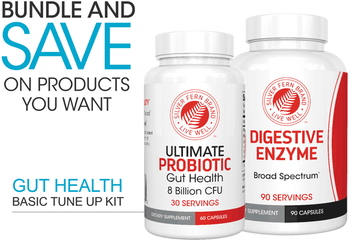
For example, Silver Fern™ Brand’s Hair Complex provides a simple, foundational approach with ingredients that support hair structure and follicle health. Hair, Skin & Nails offers a more comprehensive blend designed to support hair, skin, and nail health across multiple pathways.*
These types of products are not intended to diagnose, treat, cure, or prevent any disease, but may complement a balanced diet and lifestyle.
Why Your Scalp Matters for Hair Growth
Healthy hair starts at the scalp.
The scalp is where:
- Hair follicles are anchored
- Nutrients are delivered through blood flow
- Natural oils help protect the hair
Supporting scalp health may involve:
- Keeping the scalp clean without overwashing
- Avoiding irritation
- Supporting circulation through gentle care
How Long Does It Take to See Results?
Hair growth is a gradual process, and patience is important.
Because of the hair growth cycle:
- It may take 2–3 months to notice reduced shedding
- Around 3 to 6 months to see visible changes in thickness or growth
- Longer for more noticeable results depending on individual factors
Consistency with daily habits play a key role.
When Faster Isn’t the Goal
Sometimes the focus is not on growing hair faster, but on growing healthier hair.
This can include:
- Stronger strands
- Less breakage
- Improved scalp health
- Better overall appearance
When these factors improve, hair often appears fuller and more resilient over time.
Final Thoughts
While you cannot completely change how fast your hair grows, you can support the conditions that influence healthy growth. Focusing on consistent habits such as prioritizing nutrient intake, supporting gut health and absorption, managing stress, reducing damage, and considering targeted nutritional support may help create an environment for stronger, healthier hair over time. Rather than looking for quick fixes, a balanced and consistent approach often leads to more sustainable results.
*These statements have not been evaluated by the Food and Drug Administration. Products such as these are not intended to diagnose, treat, cure, or prevent any disease, but may be used as part of a broader approach to supporting overall wellness.