


How Do You Repair Heat-Damaged Hair?
The Ultimate Guide to Thicker, Healthier Hair (From Root to Scalp)
- → 1. Why Is My Hair Falling Out?
- → 2. How Can I Make My Hair Grow Faster?
- → 3. How Often Should You Wash Your Hair?
- → 4. How Do You Repair Heat-Damaged Hair?
- → 5. What Ingredients Should You Avoid for Healthy Hair?
- → 6. What Should I Eat for Healthy Hair and Scalp?
- → 7. Is Your Shampoo Damaging Your Hair?
- → 8. Is Your Gut Affecting Your Hair Growth?
How Do You Repair Heat-Damaged Hair?
Quick Answer
Heat-damaged hair cannot be fully reversed once the hair structure is compromised, but it can be improved and supported with the right care. Reducing heat exposure, using gentle hair practices, and supporting hair from within may help improve the appearance, strength, and manageability of damaged hair over time.
Quick Takeaways
- Heat damage occurs when high temperatures weaken the hair’s structure
- Damaged hair cannot be fully repaired, but it can be supported and improved
- Reducing heat styling is one of the most effective ways to prevent further damage
- Hydration and gentle care may help improve hair appearance and texture
- Internal factors like nutrition and gut health may also influence hair strength
- Some individuals use targeted nutritional support as part of a broader hair care routine
What Happens When Hair Is Heat Damaged?
Hair is made primarily of keratin, a structural protein that gives it strength and flexibility.
Excessive heat from tools such as:
- Flat irons
- Curling irons
- Blow dryers
can weaken the hair shaft over time.
This may lead to:
- Dryness
- Brittleness
- Split ends
- Loss of shine
- Increased breakage

Research published through the National Library of Medicine suggests that repeated heat and grooming practices may contribute to structural damage of the hair shaft.
Similarly, both the American Academy of Dermatology and Cleveland Clinic note that excessive heat styling can damage the hair shaft and contribute to dryness, breakage, and split ends.
Can Heat-Damaged Hair Be Repaired?
This is one of the most common questions.
Hair is not living tissue once it leaves the scalp, so it cannot fully regenerate after damage occurs.
However, you can:
- Improve how the hair looks and feels
- Reduce further damage
- Support healthier hair as it grows in
Focusing on both protection and support is key.
5 Ways to Support Heat-Damaged Hair
1. Reduce Heat Styling
Limiting heat exposure is one of the most effective ways to prevent further damage.
This may include:
- Air drying when possible
- Using heat tools less frequently
- Lowering temperature settings
2. Use Gentle Hair Care Practices
Being mindful of how you handle your hair can make a difference.
Helpful habits include:
- Using wide-tooth combs
- Avoiding aggressive brushing
- Patting hair dry instead of rubbing
These small changes may help reduce breakage over time.
3. Focus on Hydration and Conditioning
Moisture plays an important role in how hair looks and feels.
Using conditioning products may help:
- Improve softness
- Enhance manageability
- Reduce the appearance of dryness
While this does not repair the internal structure, it may improve the overall appearance of the hair.
4. Trim Damaged Ends
Regular trims can help remove the most damaged portions of the hair.
This may help:
- Reduce split ends
- Improve overall appearance
- Prevent further breakage along the strand
5. Support Hair Health From Within
External care is important, but internal support also plays a role in how new hair grows.
Hair growth depends on consistent nutrient availability, including:
- Protein
- Essential fatty acids
- Vitamins and minerals
Supporting overall nutrition may help provide the building blocks needed for stronger, healthier hair over time.
According to Harvard Health Publishing, both internal and external factors can influence hair strength and overall hair health.
How Gut Health May Influence Hair Strength
The gut plays an important role in overall health, including how the body processes and absorbs nutrients.
It helps regulate:
- Nutrient absorption
- Immune function
- Inflammatory responses
The National Library of Medicine discusses research on the gut-skin axis that suggests that gut health may influence skin and potentially hair through immune and inflammatory pathways.
If nutrient absorption is not optimal, it may affect the nutrients available for hair growth and structure.
Supporting Hair From the Inside Out
In addition to external care, some individuals choose to support hair health through nutrition and supplementation.
Formulations that include ingredients such as:
- Keratin peptides
- Omega fatty acids
- Silica
- Collagen-supporting compounds
are often used to support hair structure and overall appearance.
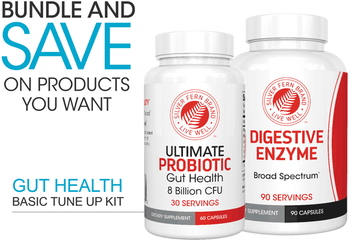
For example, some formulations are designed to provide targeted support for hair structure, while others offer a broader combination of nutrients to support hair, skin, and nails. Options like Silver Fern™ Brand’s Hair Complex focus on foundational hair support, while Hair, Skin & Nails is formulated to support multiple aspects of beauty from within.*
These types of products are not intended to diagnose, treat, cure, or prevent any disease, but may be used alongside a balanced diet and healthy lifestyle.
How Long Does It Take to Improve Heat-Damaged Hair?
Because damaged hair cannot fully repair itself, improvement takes time and consistency.
You may notice:
- Short-term improvements in texture and appearance with conditioning
- Gradual improvement as new, healthier hair grows in
- Longer timelines depending on the extent of damage
Patience and consistency are important.
Final Thoughts
Heat damage can affect the look, feel, and strength of your hair, but it does not have to be permanent. While damaged strands cannot fully repair themselves, adopting gentler hair care habits, reducing heat exposure, and supporting your body with proper nutrition may help improve overall hair appearance and support healthier growth over time. Focusing on both external care and internal support, including gut health, can help create a more balanced approach to long-term hair health.
*These statements have not been evaluated by the Food and Drug Administration. Products such as these are not intended to diagnose, treat, cure, or prevent any disease, but may be used as part of a broader approach to supporting overall wellness.