




Why Do I Get Diarrhea Right After Eating?
Diarrhea and Loose Stools: The Complete Guide to Causes, Symptoms, and Gut Health Solutions
- → 1. What is Gut Dysbiosis?
- → 2. What Are the Symptoms of Gut Dysbiosis?
- → 3. What Causes Sudden (Acute) Diarrhea?
- → 4. Why Do I Get Diarrhea Right After Eating?
- → 5. Can Stress and Anxiety Cause Chronic Diarrhea?
- → 6. IBS vs SIBO: What is the Difference?
- → 7. What Does the Color of My Stool Mean?
- → 8. What Does Blood or Mucus in Loose Stool Mean?
- → 9. When is Diarrhea Dangerous?
- → 10. What Should I Eat After Having Loose Stools?
- → 11. How Can I Stop Diarrhea Fast?
- → 12. How Do You Fix Gut Dysbiosis?
- → 13. Can Probiotics Help With Diarrhea?
Why Do I Get Diarrhea Right After Eating?
Quick Answer
Diarrhea immediately or shortly after eating is most commonly caused by an overactive gastrocolic reflex, food intolerances, irritable bowel syndrome (IBS), digestive enzyme insufficiency, or gut dysbiosis. The gut is reacting to something, whether that is a specific food, an underlying imbalance, or the simple act of eating itself triggering an overblown response.
Quick Facts
- The gastrocolic reflex is a normal response that triggers bowel movement after eating, but in some people it is exaggerated
- Food intolerances affect an estimated 15–20% of the population and frequently cause post-meal digestive distress
- Digestive enzyme insufficiency means food is not being fully broken down, leading to fermentation, gas, and loose stools
- IBS affects up to 15% of the global population and post-meal diarrhea is one of its hallmark symptoms
- Chronic post-meal diarrhea is rarely a normal response and almost always signals something worth addressing
Start With the Gastrocolic Reflex
First, some reassurance: needing to use the bathroom shortly after eating is not always a sign something is wrong. The gastrocolic reflex is a normal physiological response in which the stomach signals the colon to make room for incoming food by pushing existing contents along.
For most people this is a gentle nudge. For others, particularly those with an irritable gut or underlying dysbiosis, this reflex is significantly amplified. The result is an urgent need to go shortly after starting or finishing a meal, often with loose or watery stools.
According to the Cleveland Clinic, an overactive gastrocolic reflex is one of the most common explanations for post-meal diarrhea, and it is frequently associated with IBS, stress, and gut microbiome imbalances.
Common Causes of Diarrhea Right After Eating
Food Intolerances
Food intolerances are one of the most underdiagnosed causes of post-meal diarrhea. Unlike food allergies, which involve the immune system, intolerances are digestive — the gut simply cannot break down a specific food compound properly. Common culprits include:
- Lactose — the sugar in dairy products
- Fructose — found in fruit, honey, and many processed foods
- Gluten — a protein in wheat, rye, and barley
- FODMAPs — a group of fermentable carbohydrates that trigger symptoms in sensitive individuals
According to the National Institute of Diabetes and Digestive and Kidney Diseases, food intolerances are among the most common causes of recurring digestive symptoms including post-meal diarrhea and bloating.
Digestive Enzyme Insufficiency
When the body does not produce enough digestive enzymes, food is only partially broken down in the stomach and small intestine. Undigested food particles reach the colon where bacteria ferment them, producing gas, bloating, and loose stools. According to research published in MedComm, gut dysbiosis disrupts key digestive and metabolic processes, including the production of enzymes and compounds essential for complete food breakdown.
This is one of the most overlooked causes of post-meal diarrhea — not necessarily a problem with what you are eating, but with how efficiently your body is digesting it.
Irritable Bowel Syndrome (IBS)
IBS is one of the most common gastrointestinal conditions worldwide, and post-meal diarrhea is one of its primary symptoms. According to Mayo Clinic, people with IBS-D (diarrhea predominant) frequently experience urgency and loose stools within minutes of eating, triggered by the gastrocolic reflex and heightened gut sensitivity.
Gut Dysbiosis and Bacterial Overgrowth
An imbalanced gut microbiome can significantly alter how food is processed. Overgrowth of harmful bacteria in the small intestine (a condition called SIBO) can cause rapid fermentation of carbohydrates immediately after eating, producing gas and loose stools before food even reaches the colon. A systematic review and meta-analysis published in the Journal of Gastroenterology found that small intestinal bacterial overgrowth is significantly more prevalent in people with IBS than in healthy controls.
Stress and Anxiety
The gut-brain axis means emotional stress directly accelerates gut motility. For people under chronic stress, eating can be enough to trigger an overactive gastrocolic reflex that sends food racing through the digestive tract before it is fully processed. According to Harvard Health Publishing, the enteric nervous system responds directly to stress signals, and the gut of a chronically stressed person is significantly more reactive to normal stimuli including food.
Foods That Commonly Trigger Post-Meal Diarrhea
- Dairy products (lactose intolerance)
- Fatty or greasy meals (accelerate gut motility)
- Coffee and caffeinated drinks (stimulate intestinal contractions)
- Alcohol (irritates the gut lining and disrupts microbiome balance)
- Artificial sweeteners including sorbitol and xylitol (draw water into the intestines)
- Spicy foods (capsaicin irritates the gut lining in sensitive individuals)
When to See a Doctor
Post-meal diarrhea occasionally is manageable. Post-meal diarrhea consistently after every meal, or accompanied by any of the following, warrants a healthcare visit:
- Blood or mucus in the stool
- Unintentional weight loss
- Severe cramping or pain
- Symptoms that worsen over time
- Diarrhea that disrupts daily life or sleep
Support Better Digestion From the Start
If post-meal diarrhea is a recurring issue, supporting the digestive process directly may help.*
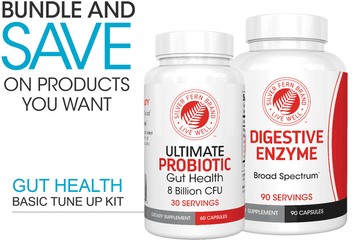
Silver Fern™ Ultimate Digestive Enzyme is specifically formulated to support complete macronutrient digestion through the entire pH range of the digestive tract.* Silver Fern's plant-based enzyme blend is designed to function from the stomach through the intestines, supporting the breakdown of foods that are often harder to digest, including high-FODMAP foods, proteins, fats, and complex carbohydrates.* More complete digestion may mean less undigested food reaching the colon — which may support more comfortable digestion overall.*
For gut microbiome support that may also play a role in post-meal digestive comfort, Silver Fern™ Ultimate Probiotic helps support a healthy balance of gut bacteria and gut barrier integrity.*
*These statements have not been evaluated by the Food and Drug Administration. Products such as these are not intended to diagnose, treat, cure, or prevent any disease, but may be used as part of a broader approach to supporting overall wellness.
Key Takeaways
- Post-meal diarrhea is almost always a sign of something addressable, whether that is an overactive gastrocolic reflex, a food intolerance, enzyme insufficiency, or gut dysbiosis
- Digestive enzyme insufficiency is one of the most overlooked causes, meaning the problem may be how food is digested, not just what is being eaten
- IBS, bacterial overgrowth, and chronic stress are all well-established drivers of post-meal digestive urgency
- Identifying trigger foods through a food and symptom diary is the most practical first step
- Supporting complete digestion with targeted enzymes and a quality probiotic may help support more comfortable digestion over time*
This article is for educational purposes only and does not constitute medical advice. If you have concerns about your digestive health or are experiencing persistent symptoms, please consult a qualified healthcare professional.