



What is Gut Dysbiosis?
Diarrhea and Loose Stools: The Complete Guide to Causes, Symptoms, and Gut Health Solutions
- → 1. What is Gut Dysbiosis?
- → 2. What Are the Symptoms of Gut Dysbiosis?
- → 3. What Causes Sudden (Acute) Diarrhea?
- → 4. Why Do I Get Diarrhea Right After Eating?
- → 5. Can Stress and Anxiety Cause Chronic Diarrhea?
- → 6. IBS vs SIBO: What is the Difference?
- → 7. What Does the Color of My Stool Mean?
- → 8. What Does Blood or Mucus in Loose Stool Mean?
- → 9. When is Diarrhea Dangerous?
- → 10. What Should I Eat After Having Loose Stools?
- → 11. How Can I Stop Diarrhea Fast?
- → 12. How Do You Fix Gut Dysbiosis?
- → 13. Can Probiotics Help With Diarrhea?
What is Gut Dysbiosis?
Quick Answer
Gut dysbiosis is an imbalance in the gut microbiome where harmful bacteria, fungi, or other microorganisms outnumber the beneficial ones. When this balance tips in the wrong direction, the gut's ability to support digestion, immunity, and overall health breaks down, often showing up as symptoms ranging from diarrhea and bloating to fatigue and mood changes.
Quick Facts
- The gut contains trillions of microorganisms collectively known as the gut microbiome
- A healthy gut microbiome is diverse. The more varied the bacterial populations, the more resilient the gut
- Gut dysbiosis is not a disease but a condition that contributes to a wide range of health issues
- Common causes include antibiotic use, a poor diet, chronic stress, and infections
- Dysbiosis is reversible. With the right dietary and lifestyle support, gut balance can be restored
Your Gut Is a Community, Not Just a Digestive Tube
Think of your gut microbiome as a thriving neighborhood. When everyone is pulling their weight, beneficial bacteria breaking down food, producing vitamins, training immune cells, and protecting the gut lining, the whole system runs smoothly.
According to Cleveland Clinic, the human gut is home to trillions of microorganisms including bacteria, viruses, fungi, and other microbes that play a critical role in nearly every aspect of human health, from digestion and metabolism to immune regulation and mental health.
Gut dysbiosis happens when that neighborhood goes sideways. Harmful bacteria move in and crowd out the beneficial residents, microbial diversity drops, and the systems those bacteria support start to break down.
What Causes Gut Dysbiosis?
Dysbiosis rarely happens overnight. It builds gradually in response to factors that disrupt the microbial balance. The most common culprits include:
- Antibiotic use — antibiotics kill both harmful and beneficial bacteria, often leaving the gut depleted and vulnerable to opportunistic overgrowth
- A diet high in sugar and ultra-processed foods — harmful bacteria thrive on sugar and refined carbohydrates, giving them a competitive advantage over beneficial strains
- Chronic stress — the gut-brain axis means stress directly affects gut bacterial composition, reducing diversity and promoting inflammation
- Infections — a bout of food poisoning or a gastrointestinal infection can disrupt bacterial populations that take weeks or months to recover
- Low fiber intake — fiber is the primary fuel for beneficial gut bacteria; without it, those populations shrink and diversity declines
- Alcohol overuse — excessive alcohol consumption significantly alters gut microbiome composition and promotes dysbiosis
According to Harvard Health Publishing, lifestyle and dietary factors are among the most significant drivers of changes in gut microbiome composition, with processed food diets and antibiotic overuse being particularly impactful.
How Does Dysbiosis Affect the Body?
Because the gut microbiome is connected to so many systems in the body, dysbiosis shows up in a wide range of ways, and not always through digestive symptoms alone.
Digestive symptoms:
- Diarrhea or loose stools
- Constipation
- Bloating, gas, and cramping
- Acid reflux or indigestion
Systemic symptoms:
- Frequent illness or slow recovery (gut dysbiosis weakens immune defenses)
- Fatigue and low energy
- Skin issues including acne, eczema, and rashes
- Brain fog and difficulty concentrating
- Mood changes, anxiety, and irritability
Research published in scientific literature links gut dysbiosis to conditions including inflammatory bowel disease, metabolic syndrome, allergies, and neurological conditions, underscoring how central the microbiome is to whole-body health.
Is Gut Dysbiosis the Same as a Disease?
No. Dysbiosis is a condition, not a diagnosis. It does not appear in diagnostic manuals the way IBS or Crohn's disease does. Instead, it is often the underlying driver of symptoms and conditions that do get formally diagnosed.
According to research published in MedComm, gut microbiota dysbiosis is the pathological basis of various diseases, with mechanisms including impaired gut barrier function, immune dysregulation, and metabolic abnormalities contributing to conditions ranging from inflammatory bowel disease to neurological disorders.
Can Gut Dysbiosis Be Reversed?
Yes, and that is genuinely good news. The gut microbiome is one of the most responsive systems in the human body. Dietary changes, stress management, and targeted gut support can meaningfully shift microbial balance within weeks.
According to research published in Nature, dietary interventions can produce measurable changes in gut microbiome composition in a matter of days, with sustained improvements following consistent dietary and lifestyle changes.
Support Gut Balance Directly
Restoring balance to a dysbiotic gut starts with diet and lifestyle, but targeted supplementation can accelerate the process significantly.*
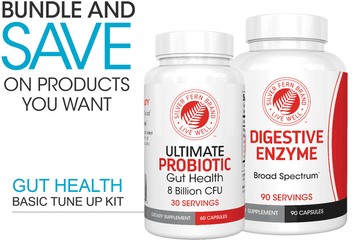
Silver Fern™ Ultimate Probiotic is specifically formulated to help support microbial balance and a healthy gut barrier.* Its DNA-verified strains include Bacillus coagulans, Bacillus clausii, Bacillus subtilis HU58, Saccharomyces boulardii, and Pediococcus acidilactici, each selected for their role in supporting a healthy balance of gut bacteria, contributing to bacterial diversity, and supporting a healthy digestive system.*
Silver Fern™ Cleanse works alongside the Ultimate Probiotic by providing natural IgG antibodies that support a healthy gut environment and a healthy gut barrier.* Unlike harsh detox products, Cleanse is designed to work gently, without disrupting the beneficial bacteria your gut needs.*
*These statements have not been evaluated by the Food and Drug Administration. Products such as these are not intended to diagnose, treat, cure, or prevent any disease, but may be used as part of a broader approach to supporting overall wellness.
Key Takeaways
- Gut dysbiosis is a microbial imbalance where harmful microorganisms outnumber beneficial ones in the gut
- It is caused by antibiotics, poor diet, stress, infections, and low fiber intake, among other factors
- Symptoms range from digestive issues to immune problems, fatigue, and mood changes — dysbiosis affects far more than just digestion
- Dysbiosis is not a disease, but it is a significant contributing factor to many conditions that are formally diagnosed
- The good news: it is reversible with consistent dietary, lifestyle, and targeted microbiome support*
This article is for educational purposes only and does not constitute medical advice. If you have concerns about your digestive health or are experiencing persistent symptoms, please consult a qualified healthcare professional.